Introduction
Maintaining your garage door opener is crucial for the overall functionality and longevity of your garage door system. While it may seem like a minor aspect of home maintenance, neglecting this component can lead to costly repairs or even complete replacements. In this extensive guide, we will explore various aspects of garage door maintenance, including tips on improving acoustics, energy efficiency, security measures, and selecting the right materials. By the end, you’ll have a comprehensive understanding of how to keep your garage door opener in top shape through regular maintenance.
How to Keep Your Garage Door Opener in Top Shape Through Regular Maintenance
Keeping your garage door opener in good condition is not just about fixing issues as they arise; it's about implementing a routine that prevents problems altogether. Regular maintenance helps ensure that all components are functioning correctly and efficiently.
Understanding Garage Door Openers
Garage door openers are mechanical devices that allow you to open and close your garage doors with ease. They come in several types:
- Chain Drive: This is the most common type of garage door opener due to its affordability. However, they can be noisy. Belt Drive: Quieter than chain drives, these openers use a rubber belt for movement. Screw Drive: These require less maintenance but can be sensitive to temperature changes.
Understanding which type you have will help tailor the maintenance plan accordingly.
Regular Inspection: The Foundation of Maintenance
Conducting regular inspections is essential for keeping your garage door opener functioning smoothly. Look for:
Wear and Tear: Inspect cables and belts for fraying. Lubrication Needs: Check if moving parts need oiling. Alignment Issues: Ensure that tracks are clear and aligned properly.By scheduling inspections every few months, you can catch potential issues before they escalate into costly repairs.
How to Improve Garage Door Acoustics
Do you find the noise from your garage door opener annoying? Improving acoustics can make a significant difference.
Soundproofing Techniques
Insulated Doors: Consider upgrading to insulated doors which not only improve R-value but also cut down on noise. Acoustic Panels: Adding sound-absorbing panels around the garage can minimize sound reverberation. Rubber Mats: Placing mats underneath the opener can dampen vibrations that contribute to noise.Choosing Energy-Efficient Garage Doors
Energy-efficient doors often come with better insulation properties, which can also help lessen sound transmission. Look for products with high R-values when shopping for new doors.
Maximising Garage Door R-Value
The R-value measures thermal resistance; higher values indicate better insulation properties.
Why R-Value Matters
A well-insulated garage keeps temperatures stable, reducing heating costs while protecting items stored within.
Selecting Insulation Types
Polystyrene Panels: These offer solid insulation without compromising structural integrity. Polyurethane Foam: Provides superior insulation but may cost more upfront.When local garage door installation service considering new installations or replacements, opt for materials with a higher R-value for maximum efficiency.
Types of Garage Door Cladding Materials
Choosing the right cladding material impacts both aesthetics and durability:
Steel: Resilient against wear but prone to rust unless coated. Wood: Offers beauty but requires regular staining or painting. Vinyl: Low maintenance and resistant to fading but may be less durable than steel or wood.Each material has its pros and cons; understanding these will help make an informed decision based on your environmental conditions and aesthetic preferences.
Secure Your Garage Door: Anchoring Tips
Garage security shouldn't be an afterthought—it's essential for safeguarding your belongings and property.
Effective Anchoring Techniques
Reinforce Tracks: Ensure tracks are anchored securely into walls using heavy-duty screws. Install Deadbolts: A deadbolt on the interior side provides extra protection against forced entry. Use Security Cameras: Monitoring systems act as a deterrent while providing peace of mind.By anchoring your garage door properly, you're investing in long-lasting security solutions that could save you from theft or damage down the line.
Garage Design and Garage Door Installation
The design of your garage plays a significant role in overall functionality and appearance.
Prioritizing Functionality in Design
Consider how you'll use your garage space—will it serve solely as storage or double as a workshop?
Factors to Consider
- Space Utilization: Optimize wall space by installing shelves or cabinets. Traffic Flow: Ensure there's enough room for opening doors without obstructions.
Professional Installation vs DIY
While DIY installation might seem appealing financially, hiring professionals ensures:
Safety: They understand weight distribution and balance requirements. Warranty Protection: Most warranties require professional installation for validity.Garage Door Lift Mechanisms Explained
Understanding lift mechanisms will help demystify how different types function effectively:
Common Lift Mechanisms
1. Chain Drive Systems: Offer reliable performance at lower costs but come with noise concerns.
2. Belt Drive Systems: Utilize rubber belts providing quieter operation—ideal if acoustics are a priority.
3. Screw Drive Systems: Use fewer moving parts leading to minimal maintenance needs over time.
Maintenance Tips Based on Mechanism Type
- For chain drives, regularly lubricate chains to avoid rusting. Belt drives should be checked periodically for signs of wear. With screw drives, ensure tracks remain free from debris.
Garage Door Lathe Options and Durability
Selecting proper lathe options affects both appearance and durability:
Types of Lathes
1) Wood Lathes: Provide classic aesthetics but demand careful upkeep against weather elements. 2) Metal Lathes: Highly durable yet lack warmth associated with wooden designs.
Maintaining Insulated Garage Doors
Insulated doors require specific care techniques:
Cleaning & Care Routine
- Regular Cleaning: Use mild soap mixed with water; avoid abrasive cleaners damaging surfaces! Inspect Seals: Ensure seals around edges remain intact—replace any damaged sections promptly!
Maintaining Your Garage Door Opener
Routine checks on electric components can enhance lifespan: 1) Battery Checks: If equipped with battery backup systems—test batteries every six months!
2) Photo Eye Alignment: Ensure safety sensors align properly—clean lenses frequently preventing malfunctions!
Tips for Enhancing Garage Security
Security goes beyond locks — consider additional strategies:
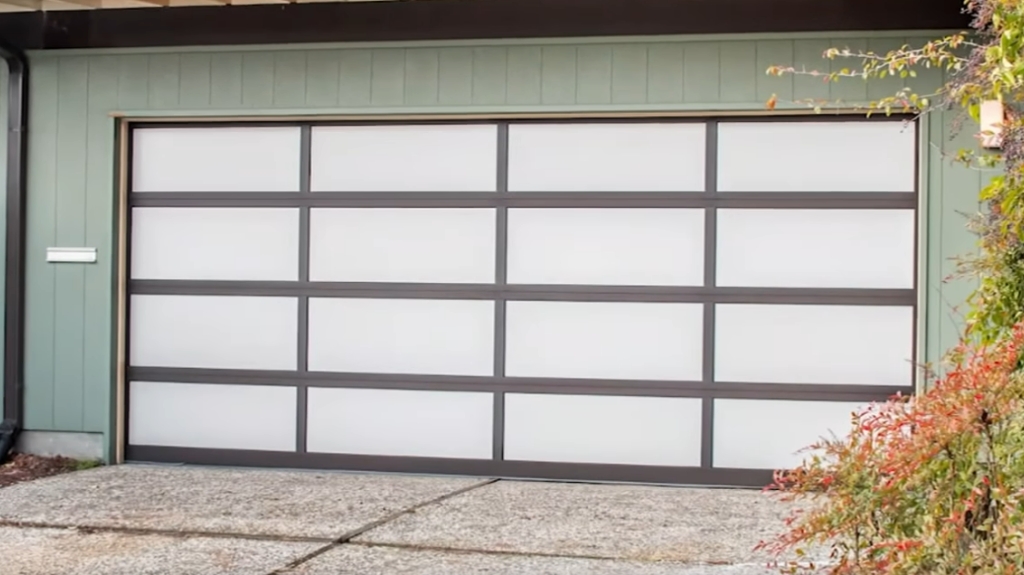
Comprehensive Security Measures
Install Motion Detectors: Alerted when someone approaches!
Smart Technology Integration: Use apps allowing remote monitoring/control over access points!
Choosing Energy-Efficient Garage Doors
Energy-efficient options reduce utility bills while maintaining comfort levels:
Benefits include:
-Lowering energy costs significantly over time
-Promoting eco-friendliness through reduced carbon footprint
FAQs
What common issues do I face with my garage door opener?
Common issues include unresponsive remotes, misaligned sensors, and worn-out belts/cables leading to operational failure.
How often should I maintain my garage door opener?
It's recommended to carry out routine checks every three months along with lubrication once per year at minimum!
Can I install my own garage door?
Yes! However, professional installation ensures correct alignment/operation—also validating warranty claims should complications arise later!
Will insulated doors reduce noise?
Yes! Insulated doors often feature sound-dampening qualities ensuring reduced external noise interference compared non-insulated counterparts!
What materials are best suited for energy-efficient garage doors?
Steel clad models with polyurethane foam core provide excellent thermal insulation characteristics maximizing energy efficiency benefits overall!
How do I choose between chain drive vs belt drive systems?
If low noise matters most then go ahead opting towards belt drives whereas budget constraints favor chain driven models showcasing affordability instead!
Conclusion
In conclusion, keeping your garage door opener in top shape through regular maintenance involves understanding its components and implementing effective checks tailored specifically towards ensuring optimal performance longevity! From enhancing acoustics through thoughtful upgrades—to exploring innovative security measures—the journey toward peak functionality doesn't stop here! Invest today time into caring diligently about this critical home element yielding fruitful dividends down the road! Remember: A little upkeep goes a long way towards saving headaches later!